
A Taste of Savannah: The Legend of Sweet Tea Pie
Could you imagine a pie could be any more Southern?

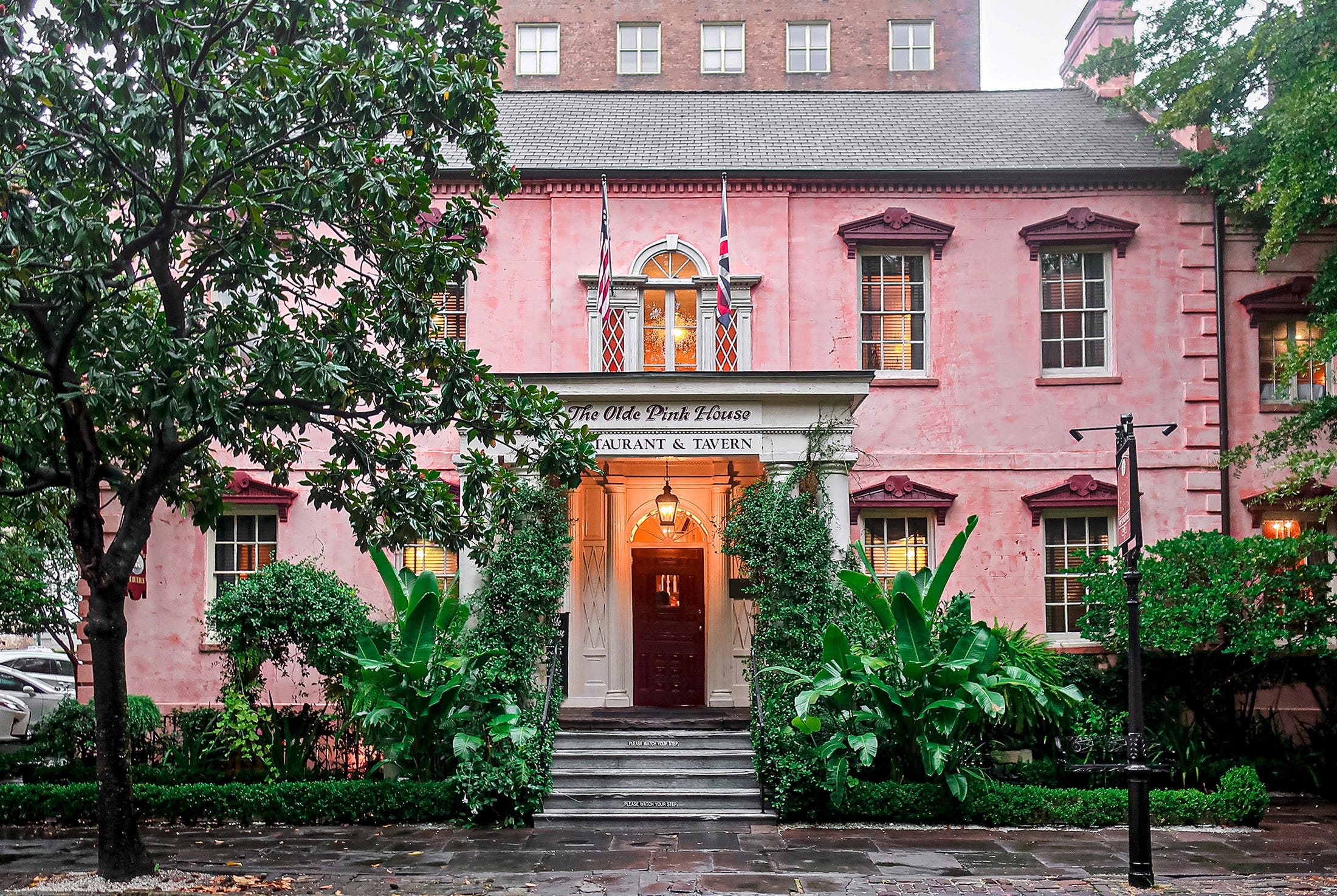
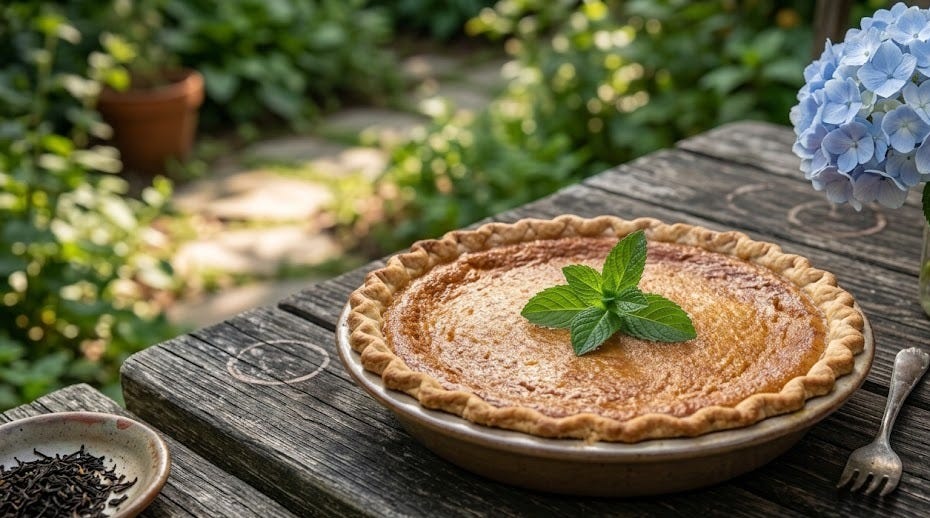
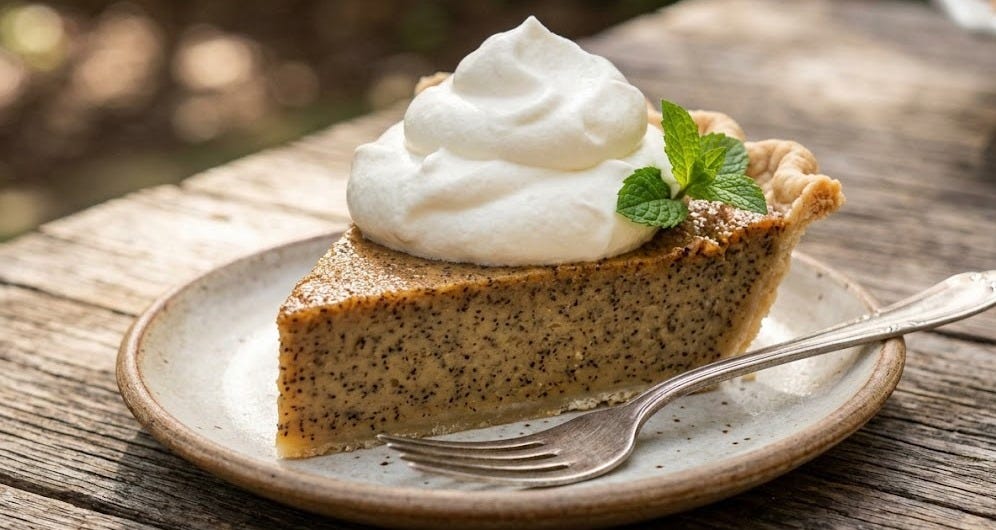
In the heart of Savannah’s Historic District, the recipe for the signature dessert at The Olde Pink House remains a carefully guarded secret. It is a dish that defies simple description: a rich, tea-infused custard with a bright whisper of citrus, nestled in a buttery shortbread crust and crowned with a generous dollop of chantilly cream. For locals and travelers alike, a meal within those iconic coral-pink walls isn’t complete without a slice.
There is a specific kind of magic that happens in this Savannah kitchen. It’s a place where history isn’t just found in textbooks, but in the seasoned cast iron and the heirloom recipes passed down through generations of storied chefs.
In this story, I take us inside the coral-pink walls of one of the South’s most legendary institutions to uncover the secret of a dessert that shouldn’t work, yet somehow defines a region: the Sweet Tea Buttermilk Pie. It is a story of ‘desperation’ turned into decadence, reminding us that with a little creativity and a lot of heart, even the simplest pantry staples can become what memories are made of. Pull up a chair, pour a glass of ice-cold tea, and enjoy a slice of Savannah.
The Art of “Making Do”
The story of Sweet Tea Buttermilk Pie is a quintessential Southern tale of resourcefulness. It represents the perfect marriage of historical “make-do” spirit and a creative nod to the region’s favorite beverage. While the buttermilk pie has deep ancestral roots, the infusion of sweet tea is a brilliant modern twist popularized by Southern food writers and elevated by Lowcountry chefs.
The “Desperation Pie” Origins
Traditional buttermilk pie belongs to a humble category known as “desperation pies.” These recipes were born of necessity during the Great Depression and World War II, when fresh fruit was a luxury and expensive ingredients were scarce.
The Heritage: The recipe likely arrived with English settlers who brought custard-style baking to the American South.
The Evolution: In the Carolinas and Texas, where buttermilk was abundant and inexpensive, the recipe transformed. What began as a way to stretch a pantry during hard times evolved into a celebrated regional masterpiece.
Why is The Olde Pink House Pink?
It might surprise you to know that the house was never actually meant to be pink! When James Habersham Jr. built the mansion in 1771, he wanted a classic, sophisticated white exterior. The “pink” was actually a construction fail that turned into a local legend:
The Original Design: The house was built using soft, native red clay bricks, which were then covered in a thick layer of white plaster.
The Problem: Savannah’s humid, rainy climate caused the red pigment from the bricks to “bleed” through the white plaster, staining it a soft, rosy hue.
Editor’s Note: While you can’t get the secret recipe from the Pink House vault, the key to a great Sweet Tea Pie at home lies in the “steep”—using high-quality black tea to infuse the buttermilk before whisking in the sugar and eggs. See instructions below on “how to steep.”
The earthy notes of black tea cut through the intense sweetness and creamy richness of the buttermilk custard, celebrating two of the most iconic Southern culinary symbols in a single dish.
Every story I share is a brick in the wall protecting the heritage of the Lowcountry. To help me keep this history alive and ensure this "visual heartbeat" never fades, please consider upgrading to a paid subscription. Together, we can preserve the soul of this region through art and story. I am grateful you are here. Thank you for stopping by. Pat xoxo
Recipe below is from the Village Creek online cookbook. It’s a Easter favorite enjoyed through the generations. Enjoy!
Sweet Tea Buttermilk Pie
Ingredients
1 cup buttermilk
1 tbsp. loose black tea leaves ( see instructions below)
1 prepared piecrust, unbaked (either a frozen ready-made 9-inch crust or refrigerated dough)
½ tsp. grated lemon zest
¾ cup sugar
2 tbsp. all-purpose flour
2 large eggs
¼ tsp. Pure vanilla extract
¼ cup melted unsalted butter
Fresh mint leaves, for garnish
Preparation
Warm the buttermilk in a small saucepan over medium-low heat just until it begins to steam. (Don’t allow it to boil or it may curdle.) Remove from heat and stir in the tea leaves. Let it sit for 1 hour, then strain out the tea and reserve the infused buttermilk.
Preheat oven to 425°F. If using refrigerated dough, line a shallow 9-inch pie pan with it, trimming excess and crimping edges.
Use a fork or whisk to combine the lemon zest, sugar, and flour in a large bowl. In another bowl, whisk together the eggs, vanilla, infused buttermilk, and melted butter. Add the buttermilk mixture to the flour mixture and whisk to combine well.
Pour the filling into the shell. Bake for 10 minutes, then reduce the heat to 350°F and bake until the edges puff and the center is no longer liquid, about 30 minutes longer. If the crust begins to overbrown before the center is set, reduce the heat to 300°F. Cool to room temperature on a wire rack. Then refrigerate for at least 2-4 hours before serving. It is best served cold. Garnish with mint leaves before serving.
Chef’s Note:
Getting the "steep" right is the secret to moving this pie from a standard custard to a true Sweet Tea Buttermilk Pie. Since buttermilk is thick and acidic, it behaves differently from water or milk when extracting tea flavors.
1. Watch the Temperature Closely
The Danger Zone: Buttermilk curdles easily if boiled. You want to warm it over medium-low heat just until it begins to steam (around 110°F to 120°F).
The “Touch” Test: If you don’t have a thermometer, the buttermilk should feel like very warm bath water—hot to the touch, but not stinging.
2. Choose the Right Tea
Loose Leaf vs. Bags: Loose leaf tea generally offers a more nuanced flavor, but if you use bags, you’ll need about 3 to 4 standard black tea bags for every cup of buttermilk to get a robust flavor.
The “Orange Pekoe” Standard: For that authentic Savannah taste, use a classic Southern black tea like Luzianne or Lipton. If you want something more sophisticated, an Earl Grey adds a lovely bergamot citrus note that pairs perfectly with the lemon zest.
3. The “Long Steep” Method
Duration: I recommend steeping for one full hour. Because buttermilk is cold and viscous, the tea needs more time to release its tannins than it would in boiling water.
Room Temp: Let it steep on the counter, not in the fridge. The warmth helps the extraction process.
4. Strain and Squeeze
Maximize Flavor: When straining out the leaves (or removing bags), give them a gentle squeeze. This releases the concentrated “liquor” of the tea, which contains the most potent flavor and color.
Consistency Check: After straining, ensure the buttermilk is smooth. If any tiny tea particles remain, that’s fine—they often look like beautiful little “vanilla bean” flecks in the finished custard.
A Note on Texture
If your buttermilk looks a little thicker after the steep, don’t worry! That’s a natural reaction to the tea’s acidity. Just whisk it vigorously with your eggs and sugar to ensure a silky-smooth filling.
What a beautifully written piece! I thought I knew my way around Southern pies, but this one is completely new to me. The combination of sweet tea and buttermilk sounds really intriguing.
I especially appreciate the connection to “desperation pies.” Those recipes have always said much about Southern cooking to me, people making something memorable out of what was available. It’s a reminder of the ingenuity behind some of our most enduring recipes.
And now, of course, I must make one myself! A custard pie with a hint of tea and citrus sounds just right for spring. Thank you for sharing this slice of history.