
Crab Boy
The swampy swallows of his birth are where he found his greatest joy.

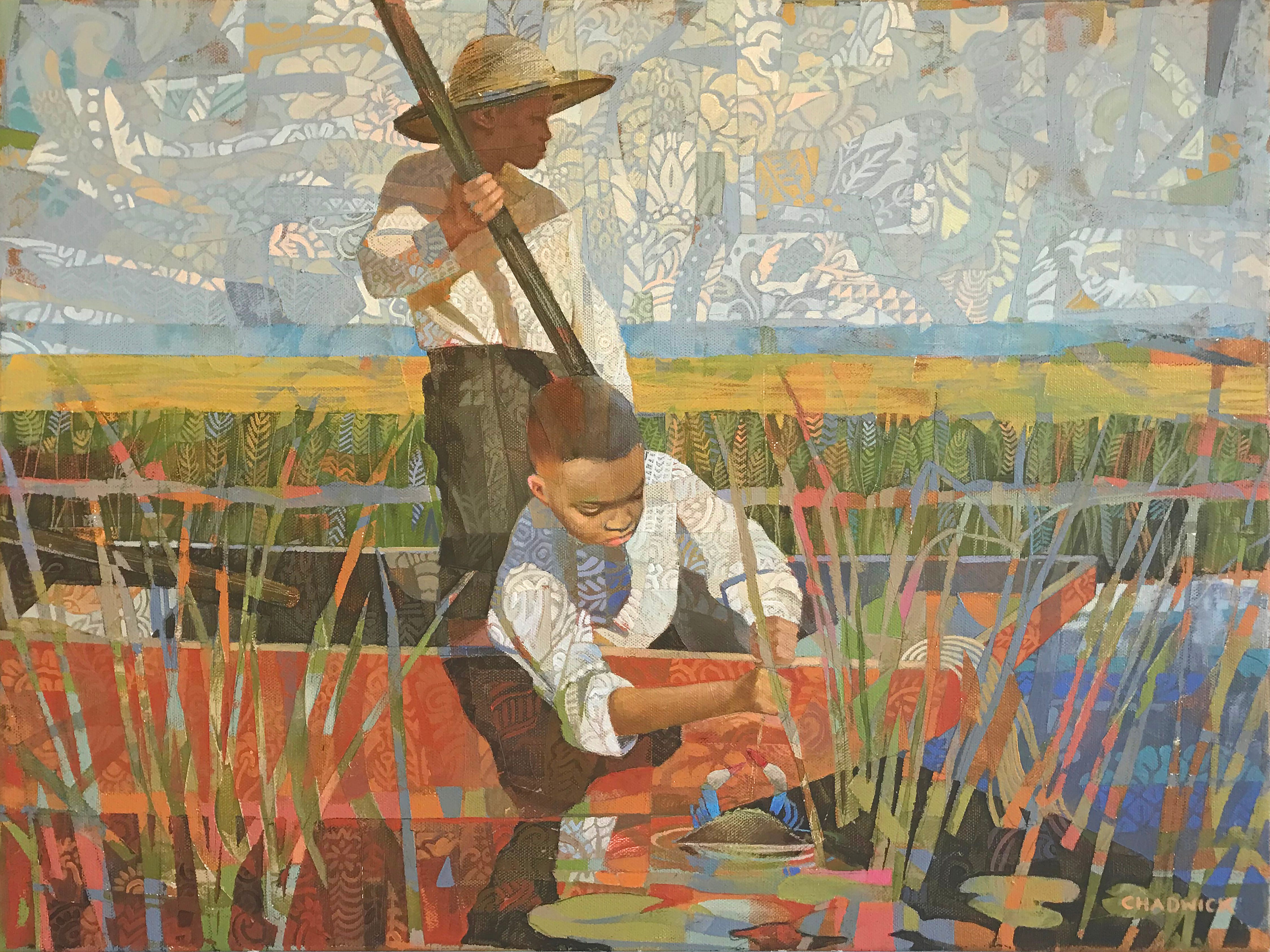
Crab Boy believed memories were like the tides. Sometimes they rushed in with a resounding roar to knock you over. At other times, they gently washed over you, tugging you back to halcyon days that keep on getting better. His fondest memory from growing up in Broomfield was crabbing deep in the salt marshes of Cowan Creek. He often walked the back roads to Lucy Point at night, where the creek was known for a deep drop-off at low tide. His blackness got lost in the shadows of low-hanging moss-covered live oaks, his existence all but visible to white folks.
The swampy swallows of his birth are where he found his greatest joy. He lived in a timeless world, walking dirt roads from farm to farm. He passed by ramshackle creekbank fish camps where Southern men get to be boys all over again. Rustic cottages on remote strips of shoreline are where they leave time and responsibilities behind to watch waves crash on barren shores, and stars twinkle in the midnight sky. No paved roads, no electricity, no bars, no grocery stores.
Tranquility existed on creeks and rivers near the edge of the great Atlantic.
The allure is being surrounded by nature with only the stillness of the night. His obsession was crabbing. As dawn breaks, Brown Pelicans and Oystercatchers fly overhead, and the lapping of an occasional wave against the dock breaks the silence. He knew Trunkards Inlet on the southern tip of Capers Island is where the blue crabs were most plentiful. Crab Boy found pure joy sitting on the creek bank with a simple chicken neck on a string, pulling something from the water that nourished both body and soul.
It all came to a tragic end one night while crabbing deep in the maze-like marshes of Brickyard Creek. A fierce marsh creature took crab boy - sometimes interpreted as a large alligator or simply the dangerous, shifting tides. Because he died an unnatural and untimely death, he is said to have become a “droll,” a specific type of Gullah spirit. In Lowcountry folklore, a droll is the restless, unhappy ghost of a child who remains trapped in the location where they died. Visitors to this part of the island have long reported hearing the cries of a young man echoing through the marshes at night, forever searching for the crabs he loved to catch.
The Mourning at Village Creek
When word of his disappearance got back to the crab-picking sheds, the air, usually filled with the sharp, salty scent of steam and the clinking of knives, turned heavy. The rhythmic “thwack” of the picking knives stopped. For the first time in memory, the workers sat in silence. Miss Gracie, being the matriarch, led the first mourning song. It wasn’t a funeral dirge, but a slow, lowcountry spiritual that hummed through the floorboards.
Miss Livvie broke down in sobs of sorrow. "Don’t you fret none o'er that water, chile," Miss Gracie said, resting a heavy hand on Livvie’s shoulder. "That boy, he part of the ebb and flow now. He ain't gone; he just moved to the deep water. Long as we 'member to leave a piece of the harvest, he gonna keep watch over all of us walkin' these muddy banks. This ‘eah life done been plan by Gawd’s hand, chile.”
He was the child of the creek, a fixture of their dawn and dusk. They began to sing the old spirituals a little louder, hoping the melody would carry across the vast marshlands and guide his wandering soul toward a peace the shifting tides had denied him.
For days, the steam rising from the crab pots seemed thicker, more somber, as if the water itself were mourning. They listened to the wind whistling through the spartina grass, no longer hearing just the breeze, but the faint, haunting echo of a string splashing somewhere over yonder in the dark water. He will forever be searching for the crabs he loved to catch.
The Ritual at the Edge of the Marsh
“He’p me with this basket, Livvie,” Miss Gracie whispered, her voice like the dry rustle of palmetto leaves.
They walked to the end of the weathered dock, where the tide was pulling hard toward the Atlantic. Miss Gracie reached into the day’s haul and pulled out a “Jimmy”—a massive blue crab with brilliant cerulean claws, the kind the boy used to prize above all others.
She set it gently on the top piling. “Eat well, little soul,” she murmured. “And stay clear of the deep holes tonight.”To honor his spirit, the pickers began a tradition. They would leave one prime blue crab - the largest of the catch - on the edge of the dock every evening. By morning, the crab would always be gone, though no tracks were ever left behind.
If this region dwells in your heart as it does mine, I invite you to upgrade to a paid subscription. By doing so, you become a formal guardian of this legacy, allowing me to continue documenting the stories, flavors, and vibrant heritage of our home for generations to come.
I am grateful to have you on this journey.
With gratitude,
xoxo Pat
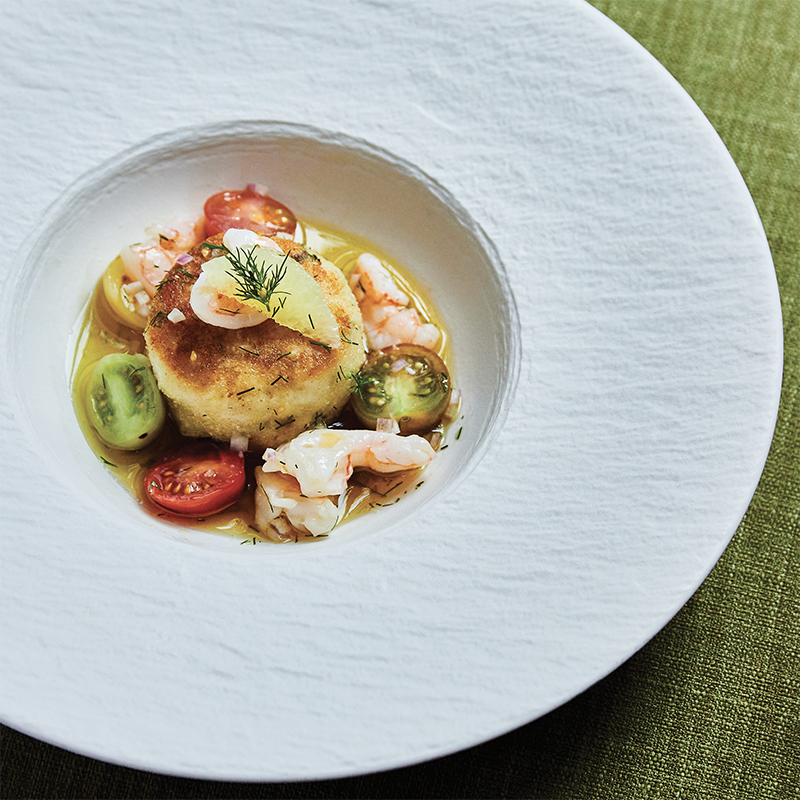
Local chefs emphasize lots of crab and very little binder. They use just enough binder to hold the lump crab together without masking its sweetness.
Lowcountry Crab Cakes
Serves 6
INGREDIENTS:
1/2 cup mayonnaise, Duke’s preferred
1 egg white
Zest and juice of 1/2 lemon
1 Tbs. sliced chives
1 Tbs. fresh thyme leaves
1 lb. jumbo lump blue crab meat, gently picked carefully for shell
Sea salt and freshly ground white pepper
2 Tbs. bread crumbs made in a food processor from crustless white bread
1 Tbs. unsalted butter
1 Tbs. grapeseed oil
DIRECTIONS:
Preheat the oven to 400°F.
Combine the mayonnaise, egg white, lemon zest, lemon juice, chives, and thyme leaves in a large bowl and mix. Gently fold in the crab meat. Season to taste with sea salt and white pepper. Form into six patties and dust them with bread crumbs.
Put the butter and grapeseed oil in a 10-inch cast-iron skillet. Heat them over medium-high heat until the butter melts, stir, and continue to heat until they shimmer. Working in batches if necessary, add the crab cakes and sear each side for about two minutes until golden brown. Remove to a rimmed baking sheet and place the crab cakes in the oven until warmed through, about seven minutes.
A traditional Lowcountry Remoulade I’ve enjoyed over the years is this zesty, creamy companion to Southern crab cakes. While every family has their "secret," the hallmark of a true coastal South remoulade is the use of Duke’s Mayonnaise and a hit of horseradish for that signature kick.
Lowcountry Zesty Remoulade Sauce
This version balances the tang of lemon and mustard with the heat of Creole spices.
1 cup Duke’s Mayonnaise (the Southern standard)
1 tbsp Prepared Horseradish (adjust based on your heat tolerance)
1 tbsp Fresh Lemon Juice
1 tsp Creole Seasoning (like Tony Chachere’s)
1 tsp Worcestershire Sauce
1/2 tsp Smoked Paprika (for color and depth)
1 tbsp Fresh Chives or Green Onions, finely chopped
Preparation Tips
Chill Time: For the best results, whisk all ingredients together and let the sauce sit in the refrigerator for at least 30 to 60 minutes. This allows the flavors of the horseradish and spices to fully develop.
The “Crunch” Factor: If you like a bit more texture, many coastal cooks stir in 1 tbsp of finely minced capers or dill pickle relish.
Spiciness: If you want a “Charleston-style” burn, add a few dashes of Louisiana-style hot sauce (like Crystal or Texas Pete).
Pro Tip: In the Lowcountry, this sauce isn’t just for crab cakes. Locals often serve it alongside fried green tomatoes or chilled peel-and-eat shrimp.
My soul enjoyed this story! Your writing is a treasure and so are you! I hope to see you around town soon.
Thank you for sharing your thoughts on this story. Good to hear from you!