I Brake for Boiled Peanuts
A journey down Highway 17 to find history, the haunts, and the secret to the perfect green boiled peanut. It's the official snack food for South Carolina.

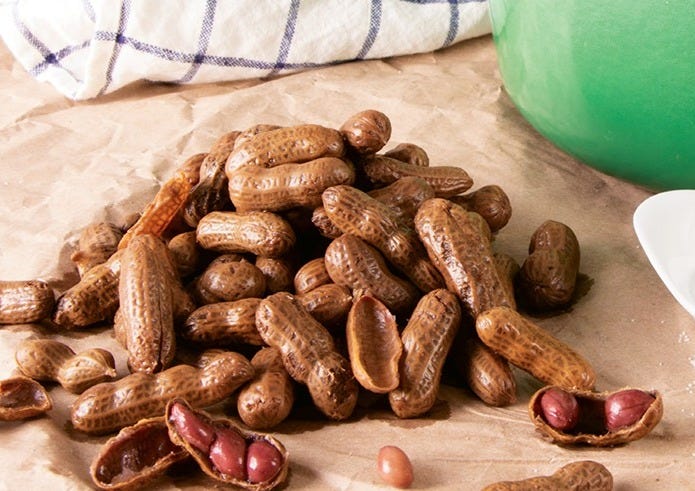
Cruising down Highway 17—the Ocean Highway—is more than just a drive; it’s a rite of passage. You haven’t truly arrived in the Lowcountry until the hum of the tires is met with the rhythmic crack of a shell and your floorboard is littered with peanut shells. That’s evidence of a roadside stop. From the battlefields of the Civil War to the halls of the Carter White House, the boiled peanut is the humble, briny soul of the South. But to get it right, you have to look for Green (green peanuts). They’re the best.
I often wondered who made boiled peanuts famous. Historical accounts over time have claimed that no one knows who first boiled peanuts. Some credited Confederate soldiers with popularizing boiled peanuts in the South. Johnny Cash, the Kingston Trio, and other artists performed the American Civil War-era folk song “Goober Peas.” The lyrics involve battle-weary servicemen eating a lot of “delicious goober peas” and looking forward to more when they arrive home.
Boiled peanuts didn’t gain wide acceptance until the early 1900s. In 1915, African American agricultural scientist George Washington Carver started his famous research on how peanut crops could fill cotton fields ravaged by boll weevils. His studies led to the United States becoming one of the world’s top producers of peanuts. A year later, Carver published a bulletin outlining 105 ways to prepare peanuts, including boiling them for soup. By then, Africans in America had been boiling peanuts for decades. With peanuts suddenly in the spotlight, whites took notice of boiled goober peas. Like recipes for yams, cornbread, stewed collards, and barbecue ribs, boiled peanuts were so delicious that they became another celebrated Southern specialty, traced to African American culture.
During the Jimmy Carter Administration, we had “Presidential Peanuts.”
We can’t talk peanut stories without Jimmy Carter. While he was a peanut farmer by trade, his presidency took the “Southern snack” national. He famously served peanuts at the White House, but the story goes that some Northern dignitaries were utterly confused by the boiled variety served at his campaign stops. They didn’t know whether to peel them or eat the shell (a common “rookie” mistake that still provides endless entertainment for locals watching tourists at roadside stands today).
If you don’t cook your own, you’ll need to know the best places for finding the tastiest while traveling along the coast.
Since Hwy. 17 stretches from Virginia down through Florida, I’ve taken notes on the most reliable spots to grab a bag.
Of course, South Carolina is the “Peanut Belt,”- the heart of boiled peanut country. Look for hand-painted signs on the side of the road, but also look for established favorites.
Burden Creek Boiled Peanuts in the Johns Island/Charleston Area is known for “craft” peanuts. They offer unique flavors like Garlic and “Badass” spicy. Sometimes you can find them at local shops and stands near the intersection of Hwy. 17 and the Main Rd. heading toward Kiawah/Seabrook. Inspired by previous generations of backyard boilers in their bloodline, they have a passion for producing the best craft boiled peanuts in the Lowcountry.
Their motto: Boiled, Briny & Badass!
As you head north out of Charleston toward Georgetown, you’ll pass several seasonal roadside stands. Look for the See Wee Outpost near Awendaw, a classic general store that almost always has a hot pot going strong. It’s my favorite stop along this stretch of Hwy. 17. Going inside is a “must.” Head toward the hot shelves loaded with biscuits and stuffed with either country ham or sausage. All biscuits are made from scratch, as light as angel’s wings, and gently browned to perfection. Take several for the road and an extra bag for peanut shells.
Keep in mind that “green” freshly harvested peanuts are the very best for making boiled peanuts. In the summer months, the Mount Pleasant Farmers Market and stands near Pawleys Island are gold mines for green peanuts.
Heading south on Hwy. 17, you’ll wind through the marshlands of the Georgia coast. Look for Davis Produce in the Savannah/Tybee area. While it’s a short hop off 17 onto the road to Tybee, this place is a local legend. They are famous for their spicy and regular batches.
Vidalia Peanut Company offers its products in local gas stations and convenience stores along the corridor. In the rural stretches between Richmond Hill and Darien, look for the steaming pots and pull over to one of the roadside stands. If a stand says they have “Green Peanuts,” stop immediately. These are fresh from the ground and have a much better texture than those made from rehydrated dried peanuts.
It’s not unusual in South Georgia to see bumper stickers:
I Brake for Boiled Peanuts.
The next time you see a hand-painted sign or a plume of steam rising from a roadside pot near Awendaw or Tybee, pull over. Grab a bag, ask for an extra plastic sleeve for the shells, and don’t forget the napkins—it’s going to get messy. In that signature pop of salty brine, you aren’t just tasting a snack; you’re tasting centuries of Southern history, from the resilience of the Peanut Belt to the simple joy of a summer afternoon on the porch. As they say in South Georgia: I brake for boiled peanuts."
Lee Bros. Boiled Peanuts (considered the Gold Standard)
(Makes 4 lbs.)
1½ cups kosher salt, plus more to taste
4 gal. water
2 lbs. shell-on raw peanuts or 3 lbs. green peanuts
In a large (10- to 12-quart) stockpot, stir 1/2 cup salt into two gallons of water until the salt dissolves, then add the peanuts. Use a large dinner plate or two to help submerge the floating peanuts. Allow to soak for eight hours or overnight. (This step saves a little time boiling, but you can skip if needed. If you’re using green peanuts—which are freshly picked—you may also skip this step.)
Drain the soaking water and add two gallons of fresh water and the remaining cup of salt to the pot of peanuts. Note the level of the water on the side of the pot. Bring to a boil. Lower the heat and simmer, covered, for six to eight hours (two to three for green peanuts), keeping the water in the pot within an inch or so of its original level with regular additions of water, until the peanuts are about as soft as a roasted chestnut.
Once the peanuts have boiled for three hours (one hour for green peanuts), sample them to check their texture and salinity. Remove a peanut, and when it is cool enough to handle, crack open its shell and taste the kernel, slurping some brine with it. If the peanut crunches, it should be cooked further. If the brine lacks enough salt, add more to taste; if it is too salty, remove a portion of the water and replace with the same volume of fresh water. Allow the pot to boil for another hour before testing again. Sample every hour until they are pleasantly yielding and as salty as a good pickle.
When the peanuts are cooked to your satisfaction, turn off the heat and allow them to cool in the pot for an hour (30 minutes for green peanuts). When cool enough to handle, drain the water and eat immediately. If not eating, store the shell-on peanuts in a sealed container in the refrigerator or freezer. Boiled peanuts will keep for about seven to 10 days in the refrigerator and up to six months in the freezer.
Chef’s Note:
■ Pod pick: Get Valencia peanuts (usually slender, with three or four kernels per pod and red skin on the nut) for the best boiled peanuts. Spanish and Virginia varieties are not as tasty and are more starchy.
■ Seeing green: Purchase fresh-picked green peanuts when they’re in season. Small, immature ones are often tender enough that they can be eaten shell and all.
■ Spice it up: Add a tablespoon of Zatarain’s Crab Boil seasoning for Cajun-flavored peanuts. For a savory taste, try boiling them with a smoked ham hock or neck bone.
For a fun fold shelled boiled peanuts into vanilla ice cream with a swirl of maple syrup.
Oh, my. It’s delicious!
Thank you for standing with me as a guardian of our heritage. You are doing more than just supporting a newsletter; you have committed to the preservation of this great region through art and story. Love to all, Pat