
She Risked Everything
The Moses of her people.

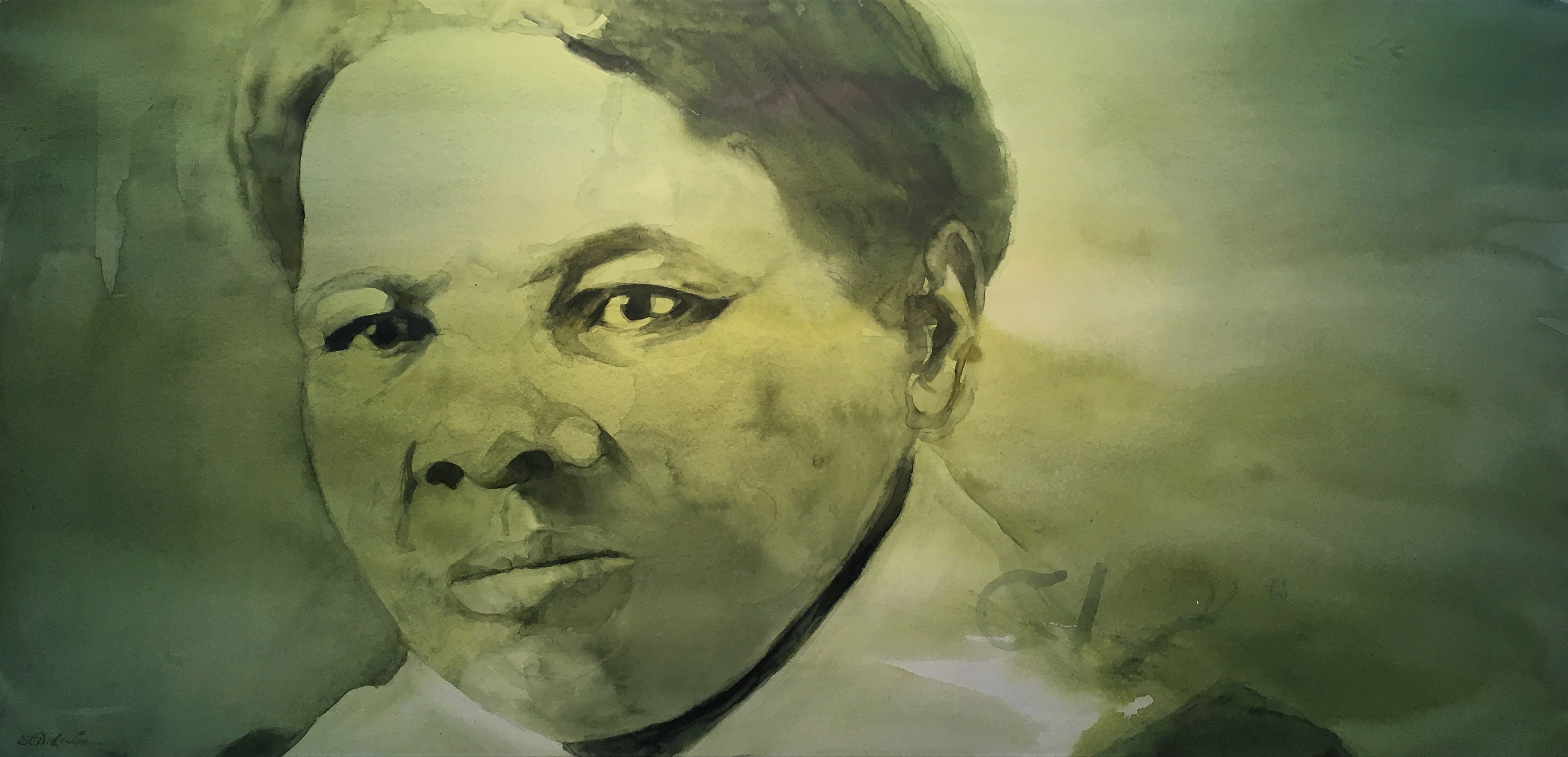
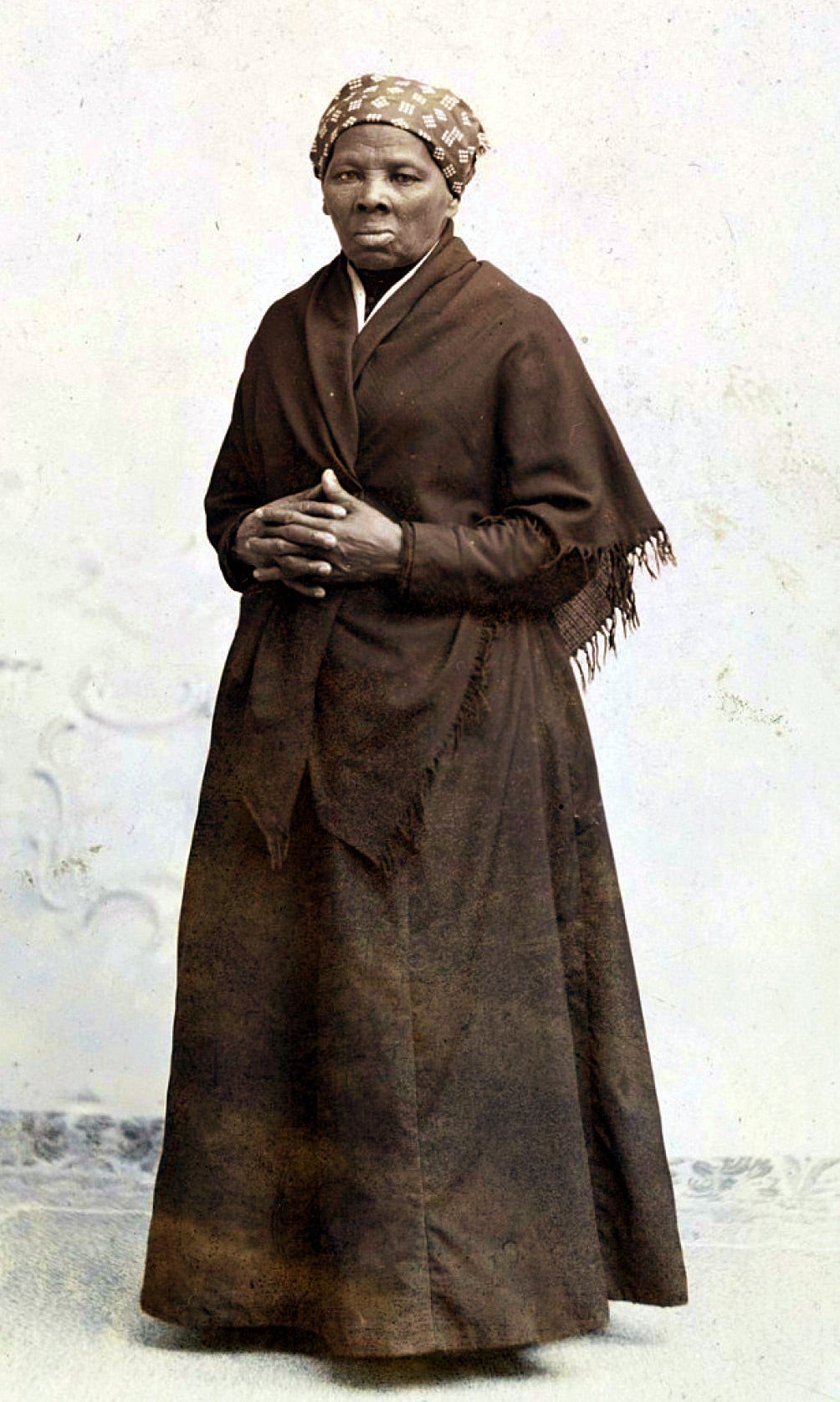
Driving north on Highway 17, just below Charleston, the road crosses the Combahee River. A modest sign rises at the marsh’s edge—Harriet Tubman Bridge—marking the place where the famed abolitionist, an escaped slave herself, once guided others hundreds of miles toward freedom along the Underground Railroad. The crossing feels deliberate, almost ceremonial, as if the land insists you slow down and remember. Water slides beneath the bridge the way it always has, carrying stories most people pass without hearing - never knowing.
Beyond that crossing, the highway enters the heart of the ACE Basin, named for the Ashepoo, Combahee, and Edisto rivers that lace together here to form one of the largest undeveloped estuaries on the Eastern Seaboard.
These waterways once served two opposing purposes: engines of extraordinary wealth and secret passageways to freedom.
Rivers carried rice to market—and people away from bondage. Tubman knew how to read this land the way others read maps.
She understood that water hid footprints, that marsh grass swallowed sound, that darkness and tide could be allies.
West of Highway 17, beyond the vast marshes and palmetto-studded live oak hammocks, past dark-water cypress swamps, lies a world of nearly forgotten places—former rice plantations, abandoned sharecropper shacks, boarded-up general stores, and the memory of hunting dogs asleep on wooden porches. Wood Brothers’ Store in Green Pond, now closed tight, once sold the best boiled peanuts in Colleton County.
It’s easy to imagine Tubman passing nearby, unnoticed, reading signs no one else could see, trusting the quiet intelligence of the land.
For more than two centuries, rice defined this region. To know Charleston was to know Carolina Gold. Rivers mattered then the way highways do now—broad, smooth corridors floating barges heavy with grain bound for port. The rice made planters wealthy and powerful, their homes rising along the very banks that offered cover for escape.
The same waters that built fortunes carried whispered hope. Tubman moved through this contradiction with courage and precision, turning geography into resistance.
The day was unusually warm for mid-January. Shad fishermen worked the river from small motorboats, stretching long nets across the current. Beyond them stood wide-hipped cypress and tupelo trees draped in Spanish moss, their roots sunk deep into black water. Live oaks arched overhead, limbs furred with resurrection fern. Cormorants preened on dead branches while a solitary osprey circled low over the shallows. This is a landscape that conceals and protects.
Tubman would have known where to step, when to wait, how to disappear. She was guided by God—by visions and voices that told her when to go, when to hide, when to turn back. In a place like this, belief is necessary and real.
I stopped, listened, and imagined the voices of enslaved people rising from the marsh, singing as they worked the rice fields—songs of sorrow layered with coded hope. In an astonishing feat of human endurance and ingenuity, they cleared forests, dug stumps, and engineered a system of levees, canals, and floodgates that reshaped the land itself.
Tubman knew that same system intimately—not as a marvel of engineering, but as a maze to be navigated, escaped, and ultimately undone, one life at a time.
Where others saw darkness and danger, Harriet Tubman saw the way through. Her courage and strength rose from somewhere deep within her soul.
littlemereditht@aol.com
7:32 AM (6 hours ago)
to me
Hi Pat!
I just wanted to tell you how much I enjoy your writing... I've subscribed to your newsletter and I just love it... sometimes your writing brings me to tears in a happy way.
So eloquent.
Just read the one about Harriet Tubman and wanted to reach out.
Mike Cooke via mg2.substack.com
7:43 AM (5 hours ago)
to me
Superbly written Pat. What an inspiring and insightful story.