
The Culinary Ghosts of 124 Abercorn Street
Its darkest corners now bathed in light at Savannah's Owens-Thomas House & Slave Quarters

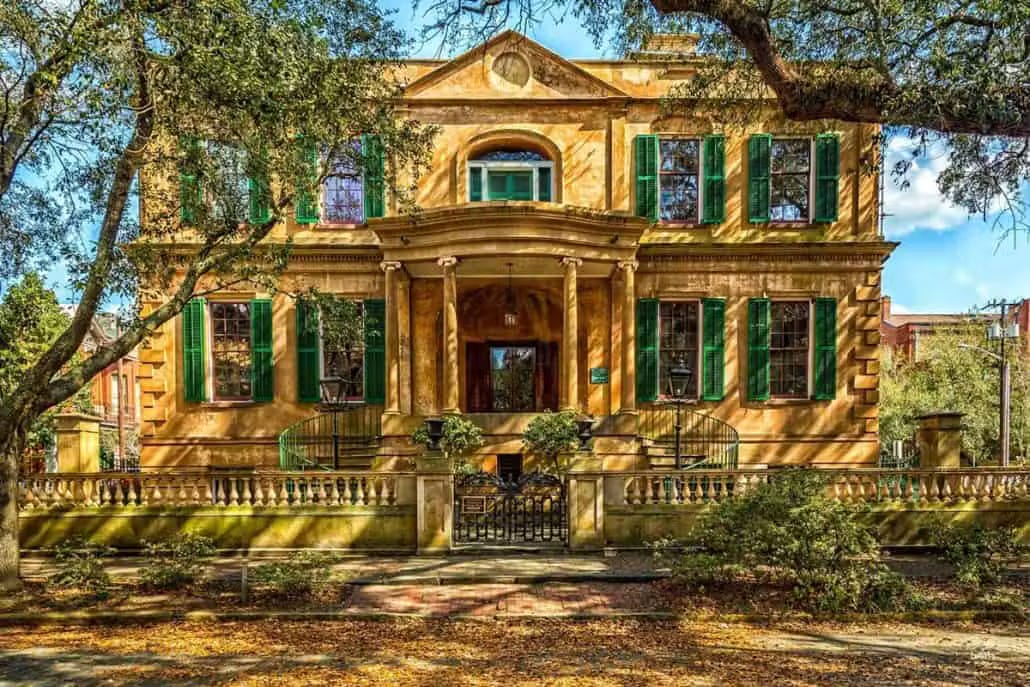
The tour no longer lingers only in the sun-drenched upper floors of the Owens-Thomas House; it pulls back the curtain on the ‘darkest corners’ of the home—the restored butler’s pantry, the damp working cellar, and the scullery.
At 124 Abercorn Street in Savannah, the neoclassical tea sets and gilded banisters of the Owens family have long served as icons of Southern elegance. But a profound transformation is underway. Under the ambitious Slavery and Freedom Project, this National Historic Landmark has moved beyond the “big house” myth to offer a rare, unfiltered look at the complex lives of everyone who resided within its walls.
The first change is in the name itself: now the Owens-Thomas House & Slave Quarters. On today’s tours, the “darkest corners” of the home are finally being bathed in light. The restored butler’s pantry, the damp working cellar, and the scullery now receive as much curatorial attention as the grand parlors. Through interactive exhibits, visitors are introduced to the individuals who truly kept the house running: Emma, the nanny; Diane, the cook; and Peter, the butler.
What truly distinguishes this site, however, is the preservation of the original slave quarters. Here, the ceilings are painted “haint blue”—a vibrant West African tradition brought to the Lowcountry to ward off evil spirits. It is a poignant reminder of a culture maintained under the weight of constant surveillance. By centering these stories, the museum ensures that the lives of those forced to labor are told with the same detail and dignity as the family they served.
The site now stands as a living museum of “foodways,” architecture, and social history—a stark illustration of how the wealth of the American South was built upon the labor and cultural resilience of enslaved Africans. In the kitchen, located in the basement, women like Emma and Diane balanced the demands of an elite white family with the traditions of their own heritage.
As the primary cook, Diane was responsible for preparing sophisticated “high-style” meals that displayed the wealth of George Owens. Her work involved a fusion of English, French, and Lowcountry influences:
Luxury Desserts: She likely made items like English puddings and “fromage of pineapple” (a type of chilled cheesecake). These required expensive ingredients like exotic fruits and ice, which were a significant status symbol.
Local Seafood: Savannah’s coastal location meant Diane frequently prepared oyster pies, shrimp, and various local fish.
Plantation Produce: She cooked with ingredients brought in from the Owens’ rural plantations, including mutton, okra, potatoes, figs, and peaches.
Rice Dishes: Rice was a staple cash crop for the Owens family; Diane would have prepared it in savory forms or as sweet rice puddings
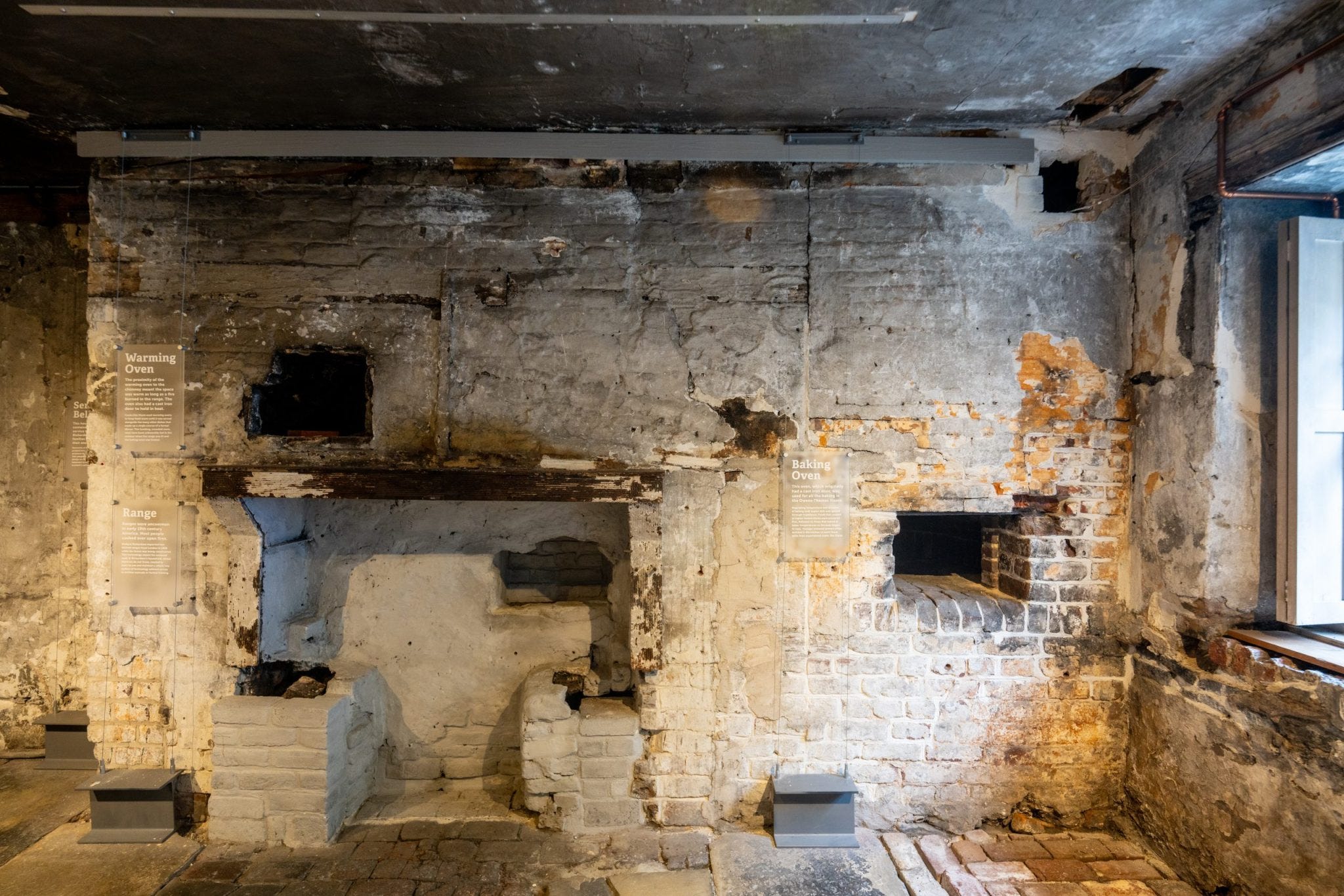
One of her hallmark dishes was Sweet Rice Pudding, a dessert that utilized the region’s “white gold”—rice that required hours of careful fire management to ensure the delicate custard never curdled.
While Emma’s primary role was caring for the Owens children, she was also tasked with specific culinary duties that required great skill:
Marmalade: Records specifically mention Emma being instructed to make marmalade from sour oranges grown on the family’s plantations. This was often given as a gift to the family’s friends.
In the urban slave quarters, Diane and Emma’s personal diets were vastly different from what they served in the main dining room. Their cooking was a matter of survival and cultural preservation:
Rations: They were typically given weekly rations of cornmeal, salt, and a small amount of pork (often the less desirable cuts like ham hocks or neck bones).
The “Task System”: Because Savannah utilized the “task system,” enslaved people could sometimes grow their own small “truck gardens” or fish in the nearby river once their work was done. They likely cooked collard greens, black-eyed peas, and turnips seasoned with their small pork rations.
Gullah-Geechee Influence: Their cooking laid the foundation for what we now call Soul Food—stews flavored with peppers and thickened with okra, a technique brought from West Africa.
Only in the past decade have American museums begun to confront this chapter of history directly. In its new permutation, the Owens-Thomas House & Slave Quarters joins iconic landmarks like Andrew Jackson’s The Hermitage and Thomas Jefferson’s Monticello in offering a complete and truthful narrative of how the nation’s wealthiest and most disenfranchised lived in intimate, troubled proximity.
Closer to home, it aligns with a growing movement of heritage-focused experiences, including Footprints of Savannah, Underground Savannah Tours, and the Pin Point Heritage Museum. Together, they ensure that the cooking traditions and cultural contributions brought forth by enslaved Africans are recognized as the very foundation of what we now call “Southern” cuisine.
Diane’s Lowcountry Sweet Rice Pudding
In the 19th-century kitchen of the Owens-Thomas & Slave Quarters, rice was more than a staple—it was a symbol of the region’s wealth. Diane prepared this custard-style pudding using “white gold” from the family’s plantations, creating a dish that balanced elegance with the soulful flavors of the Lowcountry.
Ingredients
1 cup long-grain rice
1 quart whole milk
3/4 cup sugar
4 large eggs
2 tbsp butter, melted
1 tsp freshly grated nutmeg
A pinch of salt
Method
Prepare the Base: Cook the rice in water until very tender, then drain thoroughly.
Create the Custard: In a large bowl, whisk the eggs and sugar until pale. Gradually stir in the milk, melted butter, nutmeg, and salt.
Combine: Fold the cooked rice into the custard mixture, ensuring the grains are well-distributed.
Slow Bake: Pour into a buttered deep ceramic dish. Bake at 325°F for 45–60 minutes. The pudding is done when the center has a slight, delicate jiggle and the top is a soft golden brown.
Service: Best served warm, perhaps with a dollop of fresh cream, just as it might have been when moved from Diane’s hearth to the Owens’ mahogany dining table.
Here is your invitation to become a guardian of Lowcountry heritage. Subscribe now. Preserve the soul of this region through art and storytelling. I’m honored to have you here.